Council letter guide
Council fire safety letter: what to do next
A council fire safety letter usually asks for a specific assessment, a plan or physical work to be completed by a set date. The steps that follow depend on whether the notice is tied to an HMO licence or issued as formal enforcement.

What a council fire safety letter means for your home
What the council actually wants from you
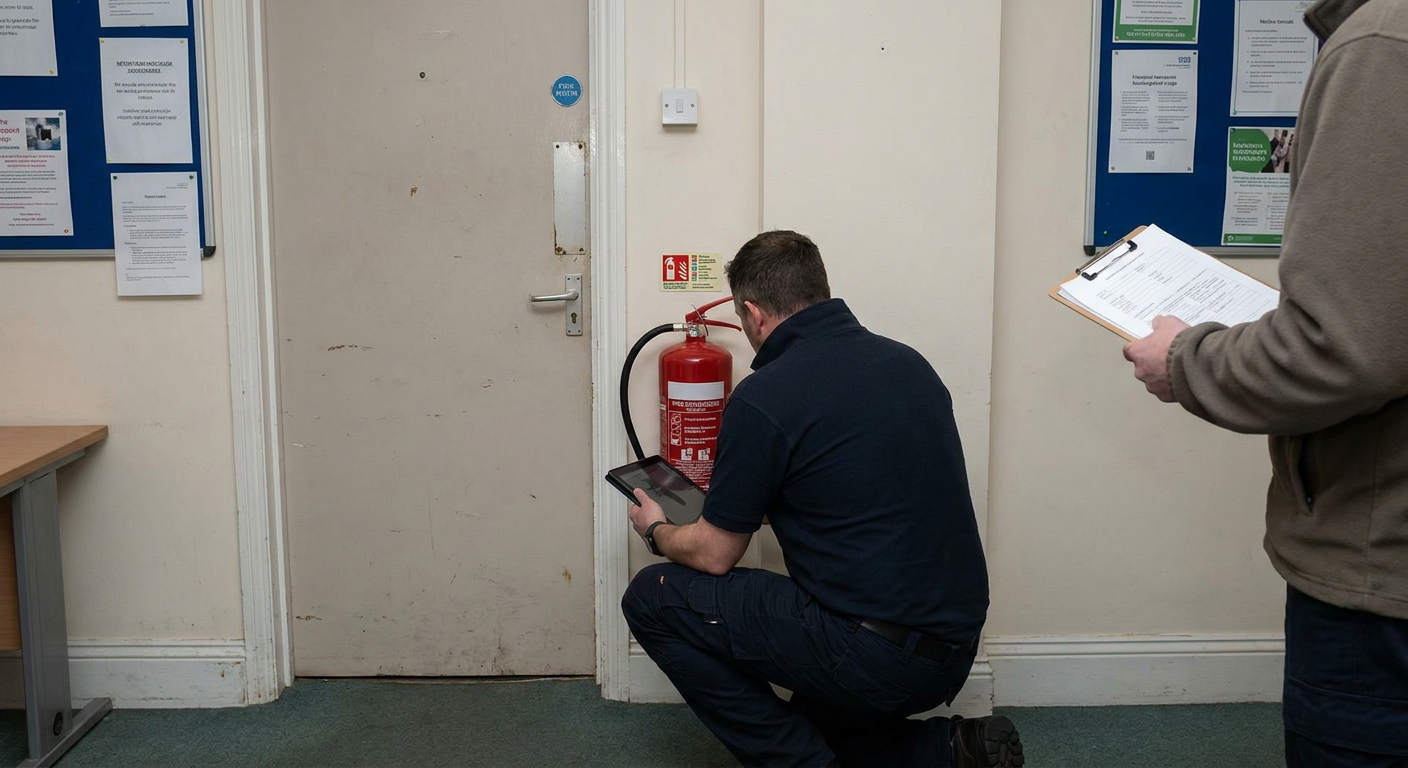
If you are searching for council fire safety letter what to do after opening an envelope from Reigate Borough Council, the first step is reading it slowly. The letter usually arrives because an officer visited your building, received a complaint, or reviewed a licence application. It will name specific concerns, such as missing fire doors, blocked escape routes, or an absent risk assessment.
Sometimes this is a licensing condition attached to an HMO licence, where the council expects fire conditions to be met before tenants move in. Other times it is a formal enforcement notice under the Regulatory Reform (Fire Safety) Order 2005. The distinction matters. A licensing condition gives you a deadline tied to your permit. An enforcement notice carries legal weight immediately, and ignoring it can lead to prosecution. Both require you to act, but the consequences of delay differ. Read the reference number and the deadline printed on the letter, then keep it somewhere safe while you arrange the next steps.
How long you have before enforcement starts
The deadline depends entirely on the type of document you received. A routine advisory letter might give you twenty-eight days to show progress. A formal fire enforcement notice could demand immediate action if the risk to life is serious, or set a strict window of fourteen to twenty-eight days for less urgent problems. If the issue relates to an HMO licence, the fire conditions reply deadline will be written into the licence schedule itself.
Do not wait until the final week to act. Arranging a specialist takes time, and the work they recommend might take longer still. If you need more time, write to the officer named on the letter before the deadline passes. Explain what you have done so far, such as booking a fire risk assessment in Reigate, and ask for a short extension in writing. Officers generally prefer communication over silence. Leaving a Surrey Fire and Rescue Service letter or council correspondence unanswered is the fastest way to turn an advisory visit into a prosecution.
Arranging an assessment to meet the deadline
The most practical response to a council notice is to commission a fire risk assessment. A specialist firm will inspect the building, identify hazards, and produce a written report with clear recommendations. In Reigate, assessments cover everything from flats above shops on the High Street to shared houses near the station.
Tell the specialist about the council letter when you book. They often prioritise visits where a statutory deadline is approaching. For a house in multiple occupation, an HMO fire risk assessment addresses the specific requirements councils look for, including alarm grades, emergency lighting, and door standards. If the letter mentions compartmentation or fire spread, a separate compartmentation survey may be necessary. The goal is to have a professional document ready before your deadline expires, showing the council that you understand the risks and have a plan to manage them.
Whether to reply before or after the inspection
You should acknowledge the letter promptly, even if the inspection has not happened yet. Send a brief email or letter to the officer confirming receipt. State that you have instructed a specialist firm to carry out the required assessment and provide the date of the booked visit if you have one. This creates a paper trail showing you are taking the matter seriously.
Do not attempt to argue technical points before the assessment is complete. Without a professional report, you lack the evidence to challenge an officer's findings. Once the specialist finishes their work, you will have a document that either confirms the council's concerns or provides grounds to discuss them further. At that point, send the relevant sections of the report to the officer handling your case. Clear, documented communication protects you far better than silence or speculation.
What satisfies the council: reports versus completed works
A report alone rarely closes a case. The council wants to see that identified risks have been reduced. If the specialist recommends installing new fire doors, repairing damaged compartmentation, or drafting evacuation plans, those tasks need completing within a reasonable timeframe.
For minor issues, submitting the assessment alongside proof that you have scheduled the remedial work might be enough to satisfy the officer temporarily. For serious hazards, such as a missing alarm system in a rented home, the council will expect the physical work to be finished before they sign off. Keep receipts, photographs, and certificates for every job done. If the notice requires a fire strategy document or updated health and safety reports, provide copies directly to the licensing or enforcement team. The burden is on you to prove compliance, so hold onto every piece of paperwork until the council confirms in writing that the matter is closed.
Disagreeing with the officer or protecting your position
If you believe the council has made an error, you have the right to challenge it. Formal enforcement notices include instructions on how to appeal, usually through the magistrates' court within twenty-one days. Before appealing, get independent advice. A detailed assessment from a specialist firm can support your case if it contradicts the officer's findings.
Ignoring the notice while you disagree is dangerous. The legal clock keeps ticking regardless of your opinion. Continue communicating with the council, state your position clearly, and back it up with professional evidence. Beyond enforcement, consider the wider impact. Insurers often ask whether a building has outstanding notices, and an unresolved enforcement issue can invalidate a policy. If you let the property, tenants or their representatives may use an open notice to challenge the tenancy. Dealing with the letter quickly protects both your finances and your standing as a landlord or homeowner in Reigate.
What changes the cost of responding to a notice
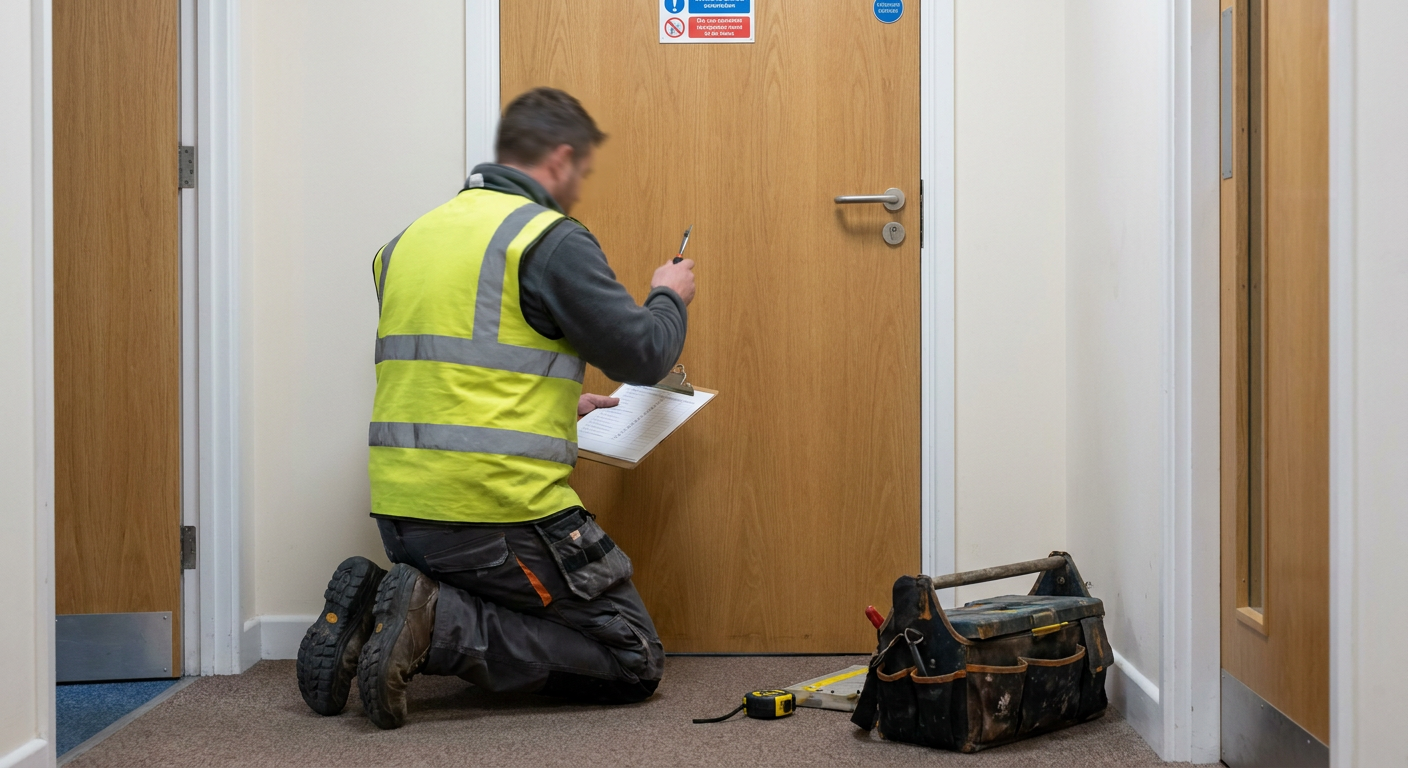
Every building differs in size, age, layout, and current condition, so the work needed to satisfy a council letter varies from one home to the next.
- Size and layout of the home
- More rooms and floors mean a longer inspection and a more complex report for the specialist to produce.
- Type of notice received
- An HMO licensing condition demands different checks compared to a general enforcement notice for a single dwelling.
- Condition of existing fire doors
- Older doors with warped frames or missing seals take longer to assess and record during an inspection.
- Need for additional surveys
- Compartmentation checks or equipment testing add separate tasks beyond a standard risk assessment.
The specialist firm explains the exact cost of the work before any agreement is made.
Typical costs for work responding to a council letter
The ranges below reflect common jobs requested after a council notice. Size, complexity, and urgency all shift where a specific home falls within each band. Only a site visit determines the actual figure.
-
Basic fire risk assessment
£150 to £350
Number of storeys and total floor area of the home being inspected.
-
HMO fire risk assessment
£250 to £500
Room count, shared facilities, and specific licensing conditions the council requires.
-
Fire door inspection
£200 to £450
Total number of doors and whether intumescent seals need close examination.
-
Compartmentation survey
£400 to £900
Accessibility of loft voids, risers, and hidden cavities between rooms.
-
Fire strategy document
£600 to £1,500
Building complexity, multiple occupancy types, and escape route layouts.
These figures indicate typical market costs for this type of work. Nothing here is a quotation. Only an on-site inspection by a specialist firm settles a price for a specific home.
Get help with your council fire safety letter
Send your details and a summary of the letter. You will receive a response outlining the next steps, without committing you to any work or payment.
- No obligation to proceed
- Local to Reigate
- Clear next steps