Seasonal guide
Christmas fire safety checks for your shop
Decorations, extra stock and longer hours change how a Reigate or Redhill premises behaves in December. Find out what shifts in your fire risk and what the responsible person needs to do before the busy weeks begin.
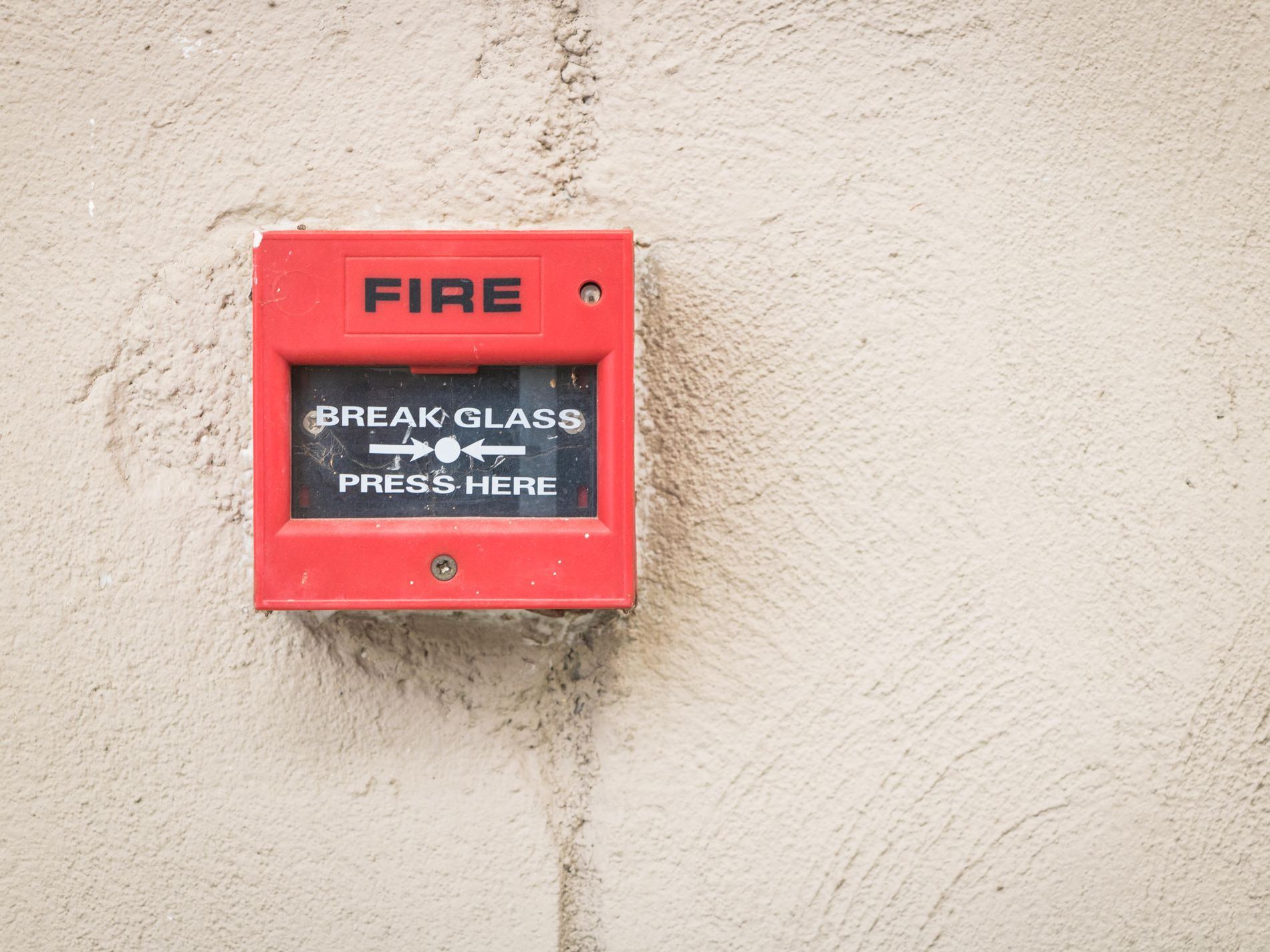
Christmas fire safety checks for shops in Reigate
Decorations and lights in the window
A shop window full of paper stars and fairy lights looks inviting from the high street, but every addition changes the fire load. You can put festive decorations in your Reigate shop window without breaching fire safety rules, provided they stay away from heat sources and do not cover smoke detectors or emergency signage. Battery-operated lights carry less risk than mains-wired ones draped over fabric.
Shop decorations fire rules require that nothing combustible sits within reach of halogen spotlights or heaters. A specialist firm carrying out a fire risk assessment will look at the display materials and their proximity to ignition points. If the layout blocks a window that forms part of an escape route, it must be moved. Festive lights safety retail guidance suggests checking cables for fraying before hanging them and unplugging everything when the premises closes each night. The responsible person should record these seasonal additions in the existing fire safety plan so any visiting inspector sees they have been considered.
Extra stock and keeping exits clear
When the stockroom is full, boxes migrate into corridors. Storing extra Christmas stock anywhere along an escape route creates a blocked fire exit problem that an inspector will act on immediately. Stock must stay in designated storage areas, even if that means making several trips rather than leaving pallets near the back door.
Keeping the rear fire exit clear during constant December deliveries takes discipline. A written procedure helps: drivers wait outside until the doorway is free, and staff move goods inward before the next lorry arrives. A fire strategy review by a specialist firm can identify whether the current delivery pattern conflicts with the documented escape routes. Compartmentation also matters here. If surplus stock is pushed through a fire door and left propping it open, the barrier between rooms fails entirely. A fire door inspection catches damaged seals and wedged doors before they become a hazard.
Briefing seasonal staff
Temporary workers arrive knowing the till but not the building. Seasonal staff fire training does not need to take all day, but it must happen before their first shift. They need to know where the nearest exit is, what the alarm sounds like, where the assembly point stands and who directs the evacuation.
A specialist firm providing fire safety awareness training can run a short session tailored to retail or hospitality settings. For pubs and restaurants hiring extra waiting staff, fire warden training for one or two permanent employees ensures someone on every shift knows how to sweep the dining room and check the toilets. The responsible person holds the duty to confirm that every worker understands the basics. Documenting the briefing protects everyone involved and satisfies the requirements set out for employers managing fire risk.
Real trees, candles and pub precautions
A real Christmas tree dries out fast in a heated dining room. Once the needles lose moisture, they ignite quickly and burn fiercely. Pub Christmas fire precautions mean placing any natural tree away from radiators, open flames and narrow walkways. Watering it daily slows the drying process but does not remove the risk.
Candles present a similar problem. Even in decorative holders, an open flame near tablecloths, napkins and dried foliage adds an ignition source that a fire risk assessment will flag. Many premises switch to LED alternatives during December. A health and safety report prepared by a specialist firm examines these seasonal choices alongside kitchen extraction, gas appliance spacing and electrical socket loads, all of which increase when a venue runs special menus and extended service times.
Longer hours and updating the assessment
Trading later and welcoming bigger crowds alters the assumptions your original fire risk assessment was built on. More people inside means evacuation takes longer. Tired staff working extended shifts make mistakes. Updating the document because of longer trading hours and bigger crowds is a legal expectation whenever conditions change materially.
The responsible person decides when a review is needed. Guidance on how often to review a fire risk assessment points to significant changes as the trigger, and December qualifies in most retail and hospitality settings. A december fire check redhill businesses arrange typically covers the temporary layout, the revised occupancy numbers and the altered staffing patterns. A nominated fire safety person can manage this review on behalf of the business owner if the day-to-day workload leaves no time for it. Arranging an assessment before the rush starts gives you a clear picture of what needs adjusting.
Arranging a pre-December walk round
- 1
Describe the premises
You provide details about the shop, pub or restaurant and the seasonal changes planned for December.
- 2
Book the visit
A specialist firm schedules a walk round before the busiest weeks begin.
- 3
Receive the findings
The assessor reports on hazards, blocked routes, decoration risks and staff briefing gaps.
- 4
Act on the advice
You make the recommended changes so the premises is ready for increased footfall.
What shapes the cost of a seasonal check
Every premises differs in size, layout and the scale of its December changes, so the work required varies accordingly.
| What it depends on | Why it matters |
|---|---|
| Floor area and rooms | Larger shops and multi-room pubs take longer to inspect thoroughly than a single retail unit. |
| Number of seasonal staff | More temporary workers means a longer training session and more documentation to prepare. |
| Extent of decorations | Elaborate displays across multiple windows require closer examination of ignition sources and cable routing. |
| Delivery frequency | Constant stock arrivals demand a detailed review of rear exit management and holding areas. |
The specialist firm explains the cost of the particular job before anything is agreed.
Ask about a December check for your premises
Send an enquiry describing your premises and the seasonal changes you are planning. It goes to a specialist firm who will reply with what they suggest. There is no obligation to book.
- No obligation
- Local specialists
- Plain advice