Landlord guide
Smoke and heat alarms in rented homes around Reigate
Rented homes in Reigate need working smoke alarms on every storey and a heat alarm in the kitchen. Landlords must test them at the start of each tenancy and keep records to prove they did.
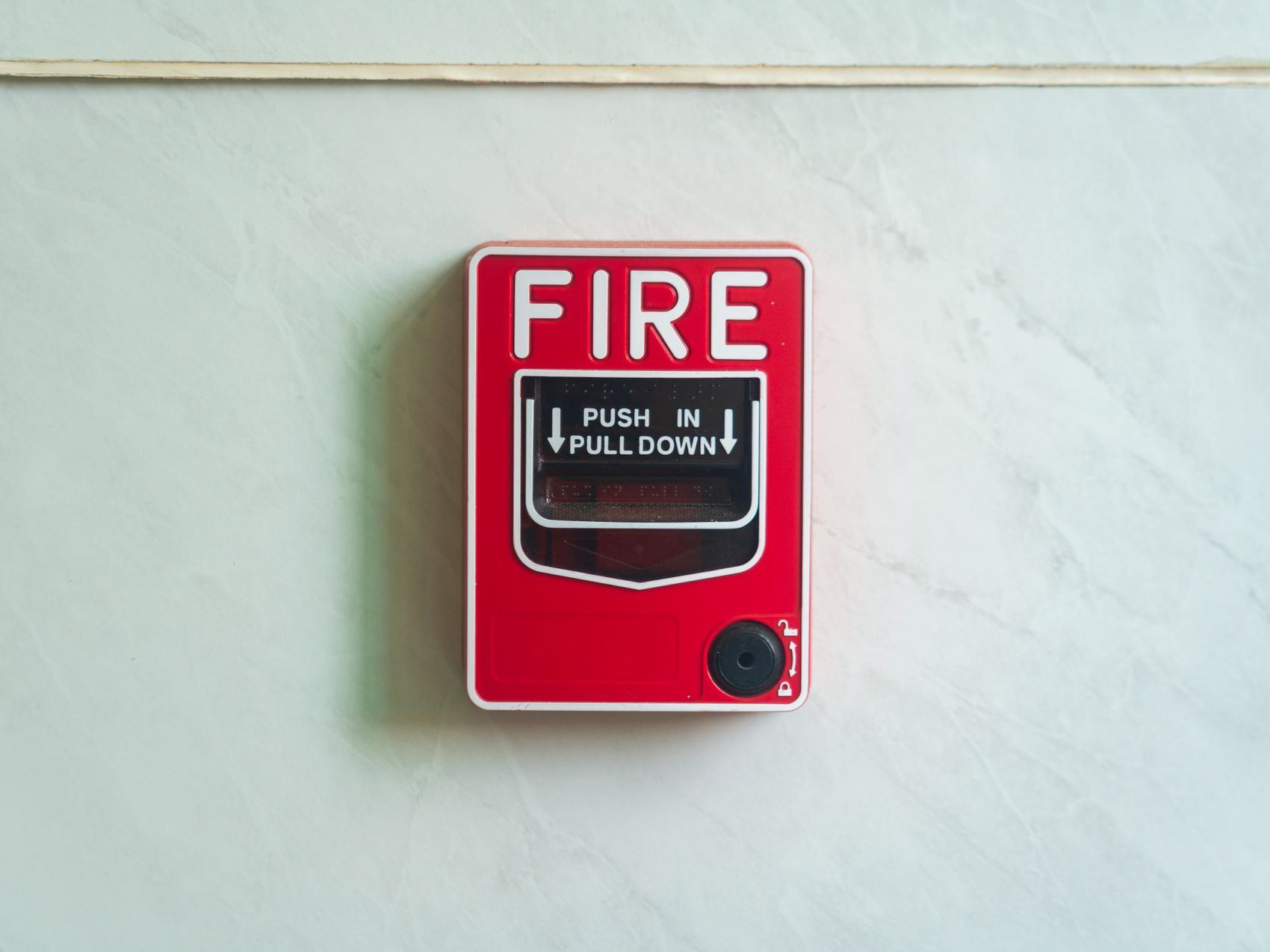
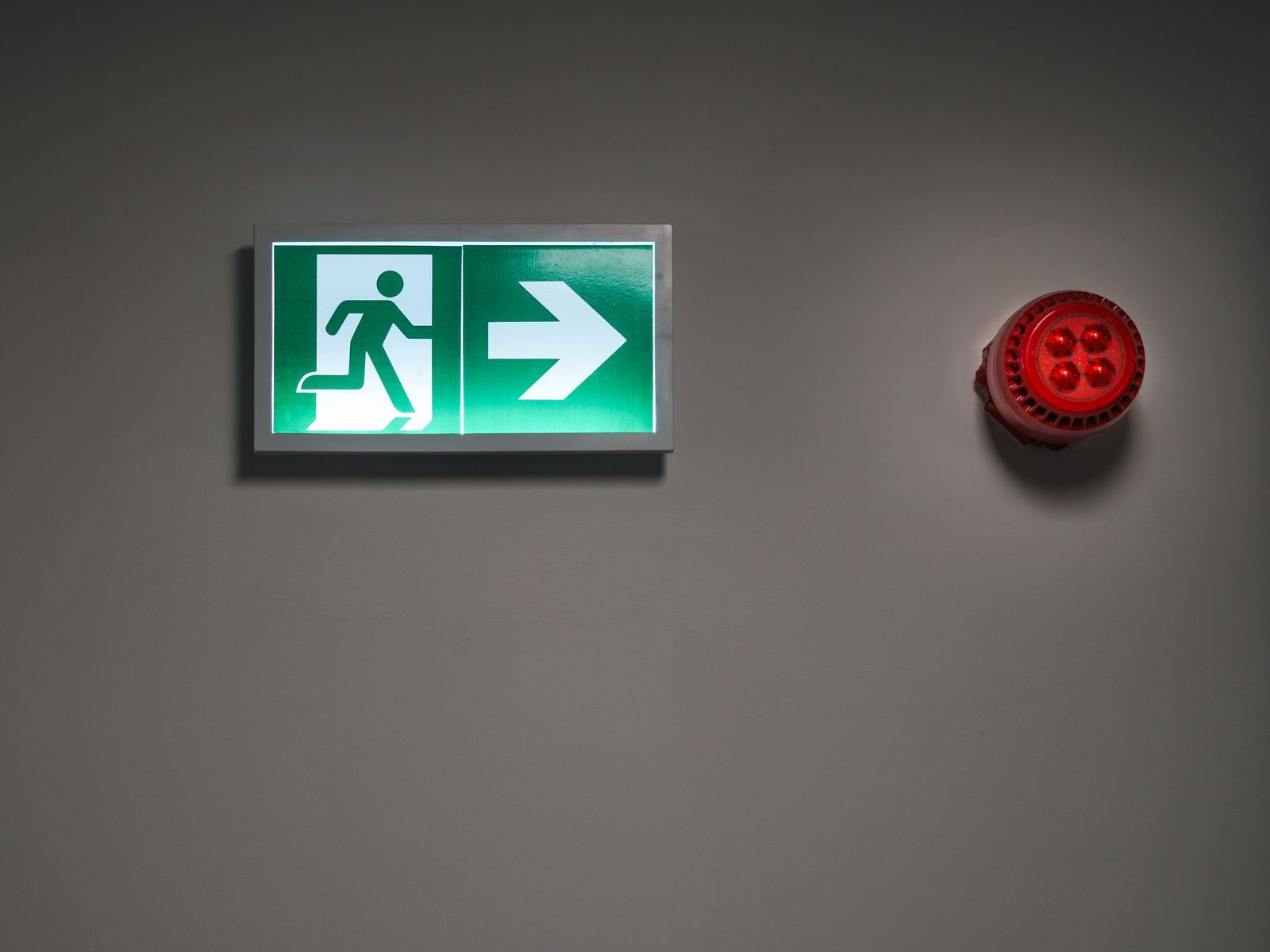
Where alarms must be fitted in a rented home
Every rented home in Reigate needs at least one smoke alarm on each storey where there is a room used as living accommodation. That includes hallways, landings and any loft conversion used as a bedroom or study. A single-storey flat still requires one alarm, while a three-storey house needs three.
Kitchens present a different problem. Smoke alarms trigger too easily from cooking fumes, so regulations require a heat alarm instead. Heat alarms respond to a rapid rise in temperature rather than particles in the air, which makes them suitable for rooms where food is prepared. The alarm should sit on the ceiling, away from direct steam but close enough to detect a real fire starting near the cooker.
Landlords who let houses in multiple occupation face additional requirements. Shared kitchens and communal corridors often need an interlinked system so that an alarm triggered in one part of the building sounds everywhere. An HMO fire risk assessment clarifies exactly what configuration the building demands.
Testing alarms at the start of a tenancy
The law places a specific duty on the landlord to check that every smoke and heat alarm works on the day a new tenancy begins. This is not a casual glance at the ceiling. Each unit must be tested using its test button, and the result recorded. A written log protects both parties if a dispute arises later about whether the alarms were functional when the tenant moved in.
After that first day, responsibility shifts. Tenants are expected to test alarms regularly and report faults, but the landlord remains accountable for the overall condition of the equipment throughout the tenancy. If a tenant reports a dead battery or a faulty sensor, the repair needs attention quickly. Leaving it unresolved leaves the home unprotected and the landlord exposed.
Some landlords arrange periodic checks alongside other safety visits. Scheduling alarm tests to coincide with gas safety inspections or electrical condition reports keeps the administrative burden manageable. For buildings with more complex fire safety arrangements, a nominated person can oversee these routines and maintain the necessary paperwork.
Mains power, batteries and interlinked systems
Older battery-only alarms still appear in many rented homes across Reigate, but current guidance favours mains-powered units with a backup battery. A mains connection means the alarm does not rely solely on a cell that a tenant might remove when it starts chirping. The backup battery takes over during a power cut, so protection continues regardless.
Interlinked alarms offer another layer of safety. When one unit detects smoke or heat, every connected alarm sounds. In a two-storey house, this means a fire starting in the ground-floor kitchen triggers the alarm in the upstairs bedroom immediately, giving occupants more time to escape. Wireless interlinking avoids the need to run cables between floors, which helps in older properties where lifting floorboards is impractical.
For larger blocks of flats or converted buildings, the choice of alarm system forms part of the wider fire strategy. A specialist firm assesses how sound travels through the structure and specifies equipment accordingly. Landlords managing property in nearby areas such as Redhill or Horley follow the same technical standards, though building layouts vary.
Keeping records and proving compliance
A landlord who fits alarms and never writes anything down has no proof the work happened. Records should include the date each alarm was installed, its location, the type of unit, and every test carried out. When a battery is replaced or a faulty head swapped out, that goes in the log too.
These records matter most when something goes wrong. If a fire occurs and investigators ask whether the home met safety requirements, a dated testing log answers the question directly. Without it, the landlord faces assumptions rather than facts.
Managing documentation becomes harder with more than one home. Landlords with several rented houses in Reigate, South Merstham or Tadworth sometimes use simple spreadsheets, while others rely on dedicated software that sends reminders when tests fall due. Either approach works, provided the information stays current and accessible.
A [fire risk assessment](/checks-and-training/fire-risk-assessment-reigate) covers alarms alongside escape routes, door seals and compartmentation. It produces a formal document that identifies gaps and sets deadlines for fixing them. Specialist firms carry out these assessments and provide the landlord with a clear record of what the home needs and what has been done.
When alarms alone are not enough
Smoke and heat alarms warn people that a fire has started, but they do nothing to slow its spread. Rented homes also need doors that resist fire long enough for occupants to reach an exit. A specialist firm inspects fire doors to check hinges, seals and closing mechanisms, confirming they perform as intended.
Compartmentation matters in converted houses and purpose-built flats alike. Walls, floors and ceilings must form barriers that contain smoke and flame within the room where the fire begins. Gaps around pipes, missing ceiling tiles or poorly sealed service risers compromise those barriers. A compartmentation survey identifies where fire can travel unseen.
Alarms, doors and compartmentation work together. The alarm buys time; the doors and walls protect the route to safety. Landlords who address all three elements give their tenants a genuinely safer place to live. Fire safety management ties these separate tasks into a single routine, so nothing gets overlooked between tenancies.
Ask about fire safety in your rented home
Send an enquiry about alarms, doors or assessments for a rented home in Reigate. A response follows without committing you to any work or cost.
- No obligation
- Local knowledge
- Clear answers