Journal article
Kitchen fire risks in Reigate cafes and restaurants
Cooking fat, extraction ducts and stored stock create specific hazards in commercial kitchens. Find out what to watch for, how a specialist firm checks these areas, and what the responsible person must do to keep staff safe.
Why commercial kitchens carry higher fire risk
A cafe or restaurant kitchen in Reigate concentrates heat, fuel and ignition sources into a small space. Cooking oils reach temperatures well above their flash point. Gas burners run for hours at a time. Electrical equipment draws heavy loads through wiring that may be decades old.
These conditions mean a small incident can become a large one very quickly. A pan left unattended on a high flame, a frayed cable behind a fridge, or grease dripping onto a hot surface are all enough to start a fire. The speed of spread depends on what surrounds the source.
The responsible person for the premises has a legal duty to manage these risks. That duty includes identifying hazards, recording them, and taking steps to remove or reduce them. A specialist firm carries out a [fire risk assessment](/checks-and-training/fire-risk-assessment-reigate) to establish exactly where the dangers sit and what needs to change.
Fat build-up and extraction systems
Extraction hoods and ductwork collect grease every time food is cooked. Over weeks and months, that grease coats the inside of metal channels running through walls and ceilings. If a flame flares up on the hob below, the duct provides a direct path for fire to travel beyond the kitchen.
Cleaning schedules matter here. A visual check of the filters is not enough. The ductwork itself needs attention at intervals set by the volume of cooking and the type of food prepared. Specialist firms inspect these systems during an assessment and note where deposits have built past safe limits.
Ventilation also affects how smoke moves if a fire does start. Blocked or poorly maintained fans trap smoke inside the building, reducing visibility and making evacuation harder. A [fire strategy](/checks-and-training/fire-strategy-reigate) document accounts for ventilation layout so escape routes remain usable even when extraction fails.
Storage, packaging and stock near heat sources
Cardboard delivery boxes stacked against a wall behind a deep fat fryer are a common sight in busy kitchens. Paper, plastic wrapping and wooden pallets all sit close to equipment that generates intense heat. When storage space is tight, stock migrates toward the only available gap, which is often the worst place for it.
A fire starting in stored packaging produces thick smoke fast. In a confined kitchen, that smoke fills the room before anyone reaches the door. Keeping combustible materials away from cookers, ovens and water heaters is a basic step that reduces both the chance of ignition and the severity of a fire.
During a [compartmentation survey](/checks-and-training/compartmentation-survey-reigate), a specialist firm checks whether walls, ceilings and doors between the kitchen and dining areas will hold back fire and smoke long enough for people to leave the building safely.
Fire doors between kitchens and public areas
The door separating a kitchen from a dining room exists to delay fire and smoke. In practice, staff prop it open with a chair, wedge it back to carry plates through, or let the self-closer wear out until the door hangs loose on its hinges.
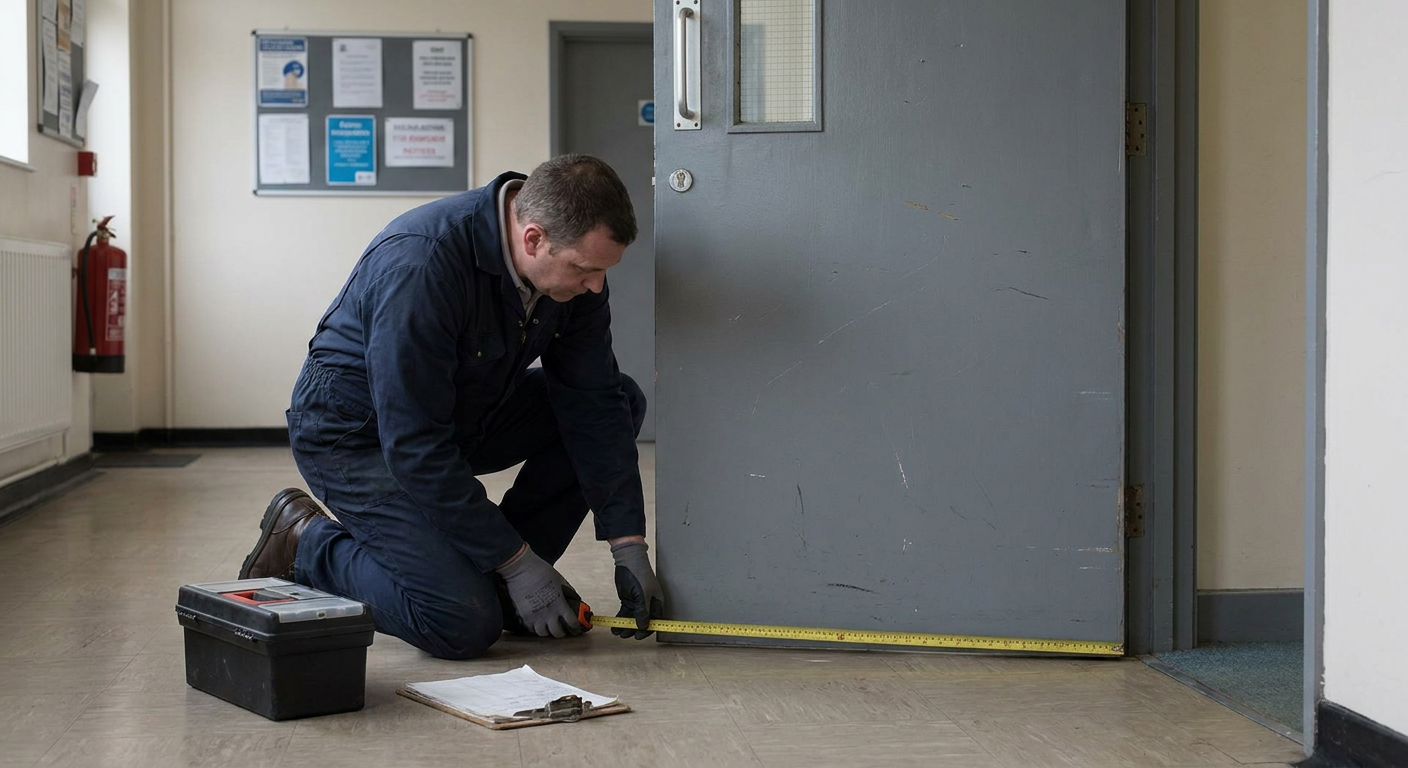
Any of those habits removes the barrier entirely. A fire that starts in cooking oil will push smoke straight into the area where customers sit. A specialist firm inspects these doors as part of a [fire door inspection](/checks-and-training/fire-door-inspection-reigate), checking gaps around the frame, the condition of intumescent seals, and whether the closer shuts the door fully every time.
Replacing a worn seal or adjusting a hinge takes minutes. Leaving it means the door performs no better than an open hole during a fire. Regular checks catch wear before it becomes a failure.
Staff training and emergency procedures
Kitchen staff work under pressure. During a busy service, stopping to think about fire procedure is not instinctive. Training builds the response so that reaching for an extinguisher or guiding people toward an exit happens without hesitation.
[Fire safety awareness training](/checks-and-training/fire-safety-awareness-training-reigate) covers how fires start in commercial kitchens, which extinguishers to use on burning oil, and why water makes a chip pan fire worse. It also addresses raising the alarm and calling the fire service immediately rather than trying to tackle a blaze alone.
Designated staff take on additional duties through [fire warden training](/checks-and-training/fire-warden-training-reigate). They learn to sweep their section of the building, check toilets and storerooms, and confirm everyone has left before closing the final door behind them. These roles need filling on every shift, including weekends and evenings when casual staff cover.
Equipment testing and maintenance records
Extinguishers mounted on kitchen walls face heat, steam and grease. Seals degrade. Pressure drops. An extinguisher that looks fine from across the room may fail when someone pulls the pin. A specialist firm advises on [fire equipment testing](/checks-and-training/fire-equipment-testing-advice) to confirm each unit works and sits in the right location.
Wet chemical extinguishers are standard for cooking oil fires, but they must match the size of the fryer or range they protect. Using the wrong type wastes seconds and leaves the operator exposed to flames.
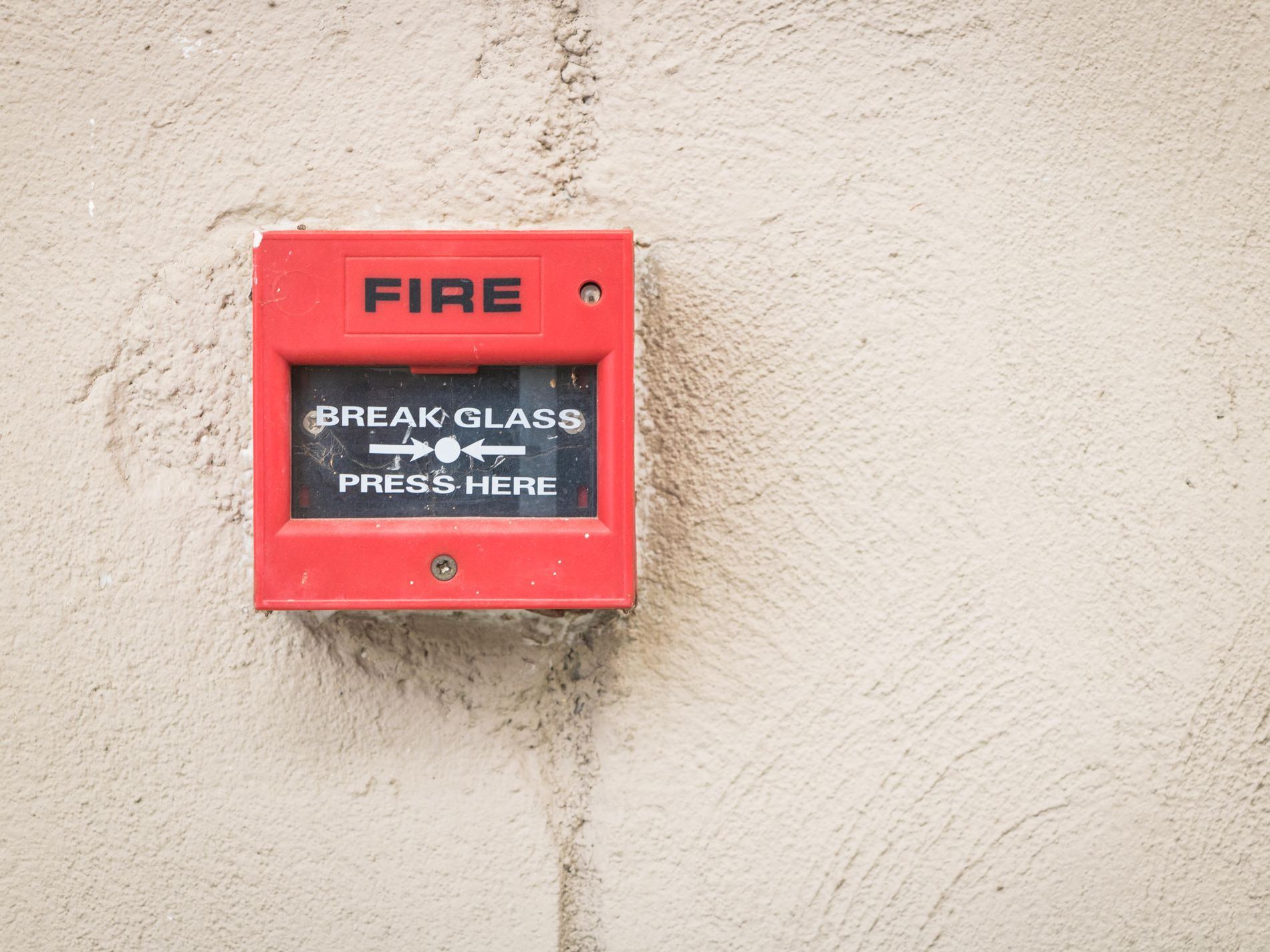
Alarm call points, smoke detectors and heat sensors all require periodic testing. Records of these checks form part of the evidence that the responsible person is meeting their obligations. Missing logs suggest missing tests.
Speak to someone about your kitchen fire risks
Send an enquiry about your premises. A specialist firm will respond with advice on what to check next. There is no obligation to book any work.
- No obligation
- Local knowledge
- Plain advice