Journal article
Clutter in communal areas of Reigate blocks of flats
Corridors, landings and lobbies in blocks of flats are escape routes first. Find out why stored belongings narrow the path out, add fuel to a fire, and what the responsible person must do to keep them clear.
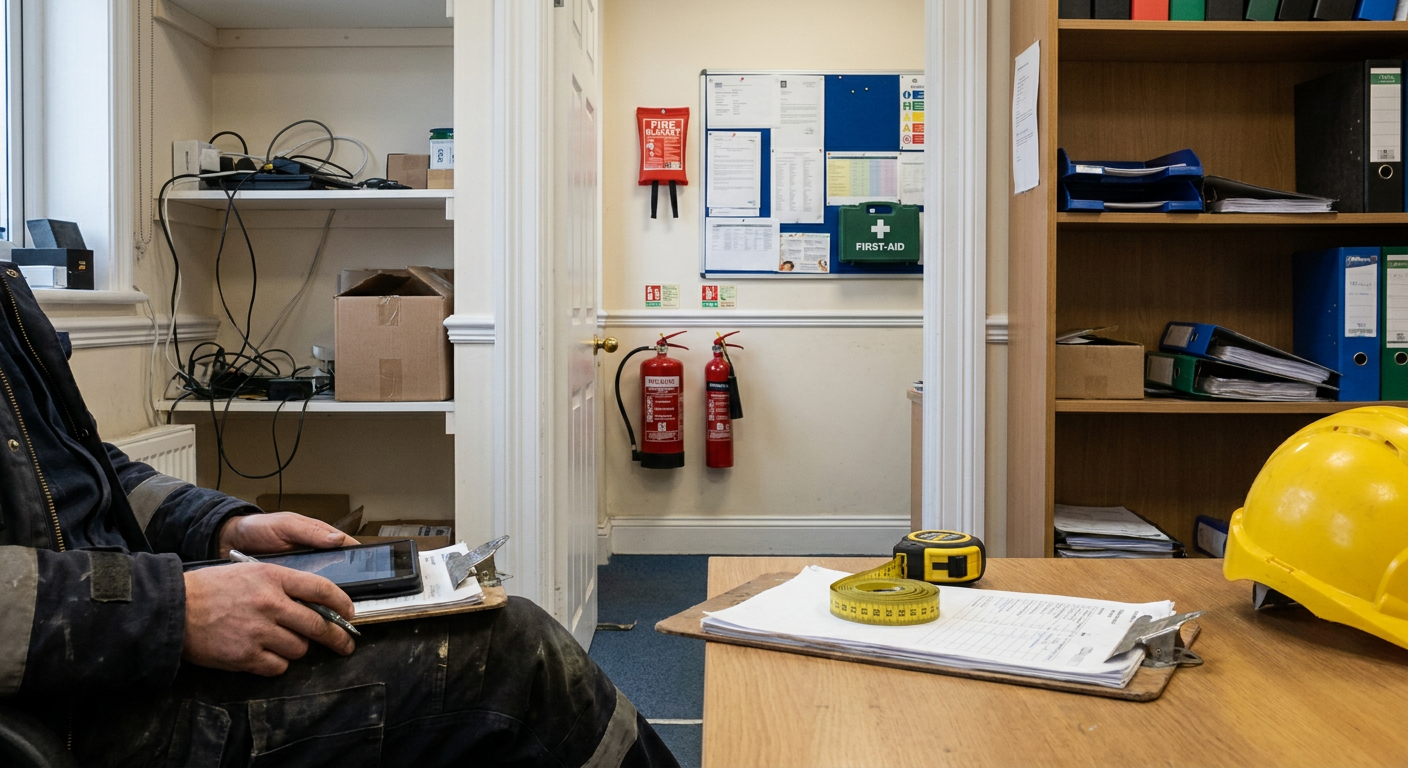
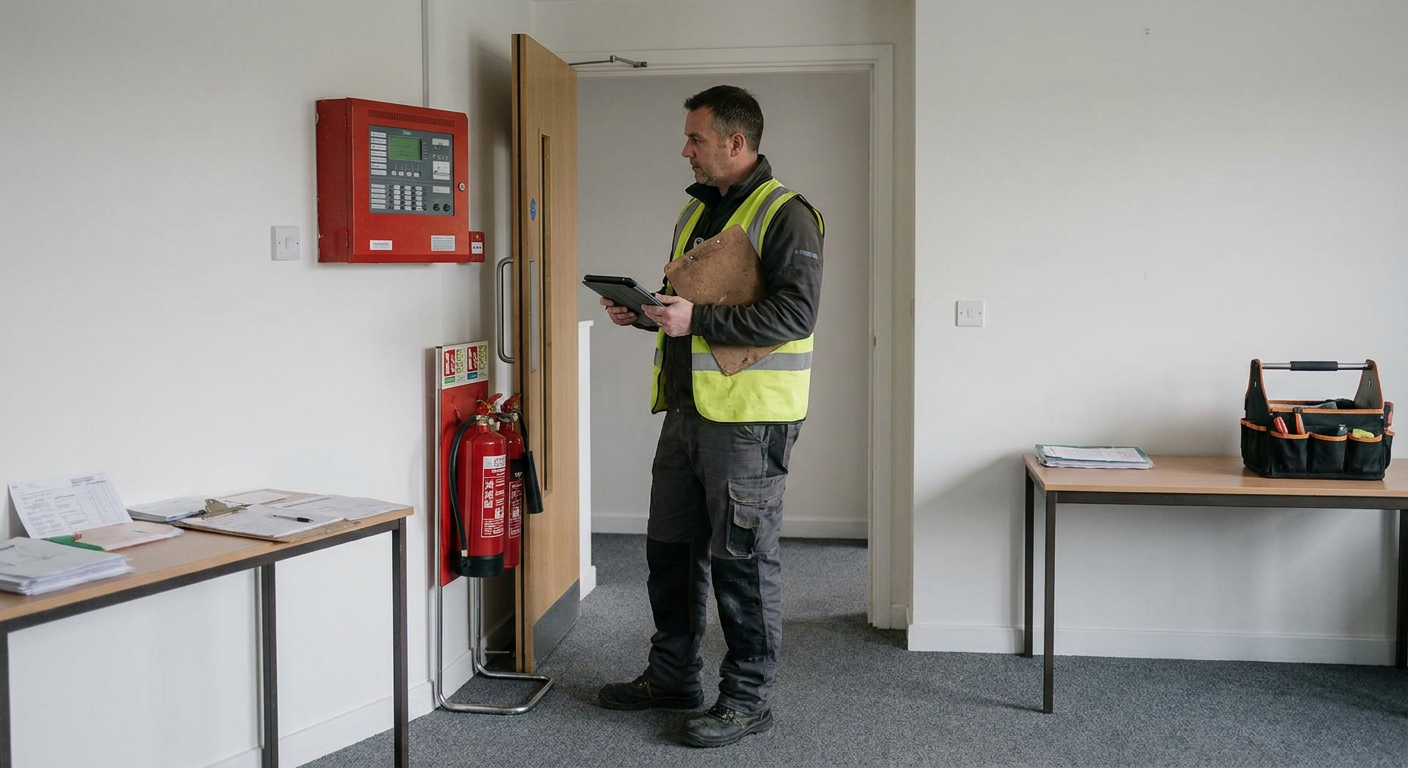
Why corridors and landings must stay empty
A hallway in a block of flats looks like spare space. It is actually part of the route every resident uses to get out during a fire. When someone leaves a buggy, a bag of shoes or a stack of boxes against the wall, that route narrows.
Smoke fills a corridor from the ceiling down. People escaping move low, often in the dark, feeling their way along the walls. An obstacle they did not expect can trip them or force them to turn back. In a building with dozens of residents, a blocked landing slows everyone behind.
Communal areas also lack the fire resistance of a flat's front door. A pile of cardboard or old furniture burns fast and produces thick smoke. That smoke enters other flats through letterboxes or gaps around pipes. The specialist firm carrying out a <a href="/checks-and-training/fire-risk-assessment-reigate">fire risk assessment in Reigate</a> will note any items left in shared spaces because they change how quickly a fire spreads.
What counts as clutter in a shared building
Clutter is anything not fixed to the structure or provided by the building owner for a specific purpose. Bicycles leaning against a stairwell wall, plant pots on a landing, bin bags waiting for collection day and children's toys left outside a front door all qualify.
Even small items matter. A pair of wellington boots might not burn for long, but the rubber produces dense black smoke that reduces visibility to almost nothing within seconds. Doormats are another common problem. They sit directly over the threshold where heat gathers when a fire starts inside a flat.
Furniture dumped near a lift shaft or at the bottom of the stairs creates a larger hazard. Upholstered chairs and mattresses contain foam that ignites easily and burns at high temperatures. A fire starting in that material can compromise the stairwell before anyone has called the emergency services. Checking these areas forms part of a <a href="/checks-and-training/compartmentation-survey-reigate">compartmentation survey</a>, which looks at how well the building contains a fire once it starts.
The responsible person and their legal duty
Every block of flats has a responsible person for fire safety. In most cases this is the freeholder, the managing agent or the residents' management company. Their duty includes keeping communal escape routes free of obstructions and combustible materials.
This responsibility does not end with putting up a sign asking residents not to leave things in the hall. The responsible person must check the building regularly and remove items that appear. If they cannot identify who left something, they still have to deal with it.
The Fire Safety Regulations 2022 placed additional duties on those managing multi-occupied residential buildings. Understanding <a href="/who-needs-what/responsible-person-duties">who the responsible person is</a> and what the law requires helps landlords and managing agents avoid enforcement action. Failing to keep corridors clear can lead to an improvement notice from the fire authority or prosecution if a fire occurs and people are harmed because of the obstruction.
How a fire strategy addresses shared spaces
A fire strategy sets out how a building is designed to protect its occupants. It specifies which walls and doors resist fire, where alarms sound and how people reach a place of safety. Communal corridors feature in that plan as protected routes.
When a fire strategy assumes a corridor will remain empty, storing things there breaks the plan. The smoke ventilation system may be sized for a clear hallway; added materials produce more smoke than the vents can handle. Fire doors may fail to close fully if a bicycle wheel wedges them open.
A specialist firm preparing a <a href="/checks-and-training/fire-strategy-reigate">fire strategy for a building in Reigate</a> will map every shared space and state clearly what can and cannot be kept there. Managing agents use that document to explain rules to leaseholders and tenants, so the reasoning behind a ban on hallway storage is understood rather than resented.
Practical steps to keep communal areas safe
Removing clutter once solves the immediate problem. Keeping it away requires a routine. Regular walks through the building, ideally weekly, catch items before they become permanent fixtures. Recording these checks in a log shows the responsible person is meeting their duty.
Clear communication matters. Residents need to know why a pram cannot stay in the lobby overnight. A polite letter explaining the fire risk works better than a threatening notice taped to a door. Some managing agents arrange <a href="/checks-and-training/fire-safety-awareness-training-reigate">fire safety awareness sessions</a> so residents understand the reasons behind the rules.
Providing alternatives helps too. If a building has no cycle storage, bicycles will end up in the stairwell. Installing racks in a designated area removes the excuse. For bulky waste, arranging regular collection days prevents furniture from piling up near exits. A <a href="/checks-and-training/fire-door-inspection-reigate">fire door inspection</a> should happen alongside these efforts, since damaged seals or broken closers compound the danger that clutter creates.
Get advice about your block of flats
Send details of the building and the problem you have noticed. A specialist firm will respond with what to do next. There is no obligation to book work.
- No commitment required
- Local to Reigate
- Plain advice first